
A circular approach to dairy farming
For us, a dairy farm is more than a place that produces milk. Everything on the farm is connected: the cows, the crops they eat, the manure that feeds the soil, and how we handle every bit of waste. We are building a farm that gives back to the land.
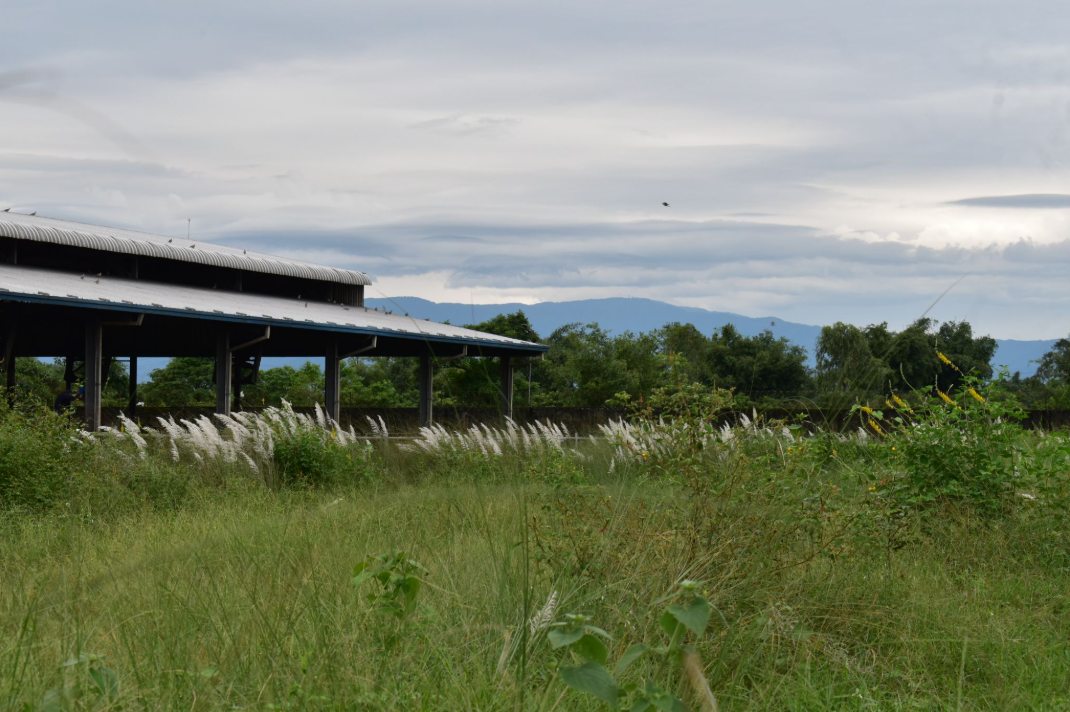
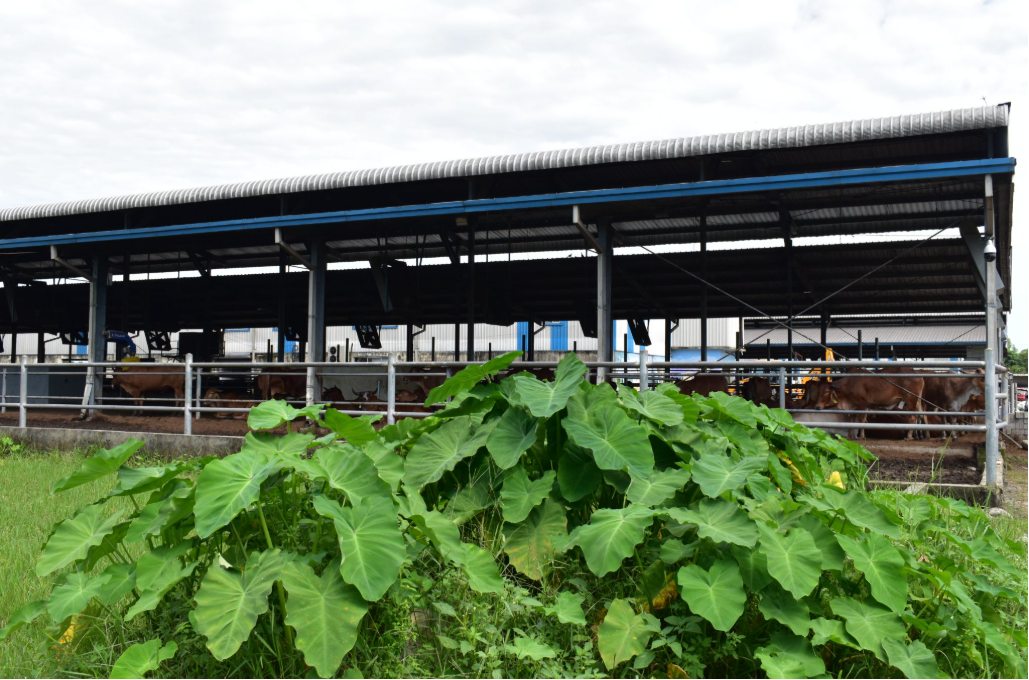
-
Manure
About 400 kg used daily in our own farming; surplus supplied to local farmers
-
Feed
Total Mixed Ration (TMR) with silage and suitable crop residues
-
Feed safety
No spoiled, fungus-affected, or contaminated feed, ever
-
Waste
Packaging, plastic, and toxic waste kept away from cattle and the farm premises
-
Planned
Own biogas plant, vegetable cultivation and beekeeping
In practice
Cow dung and urine are collected, separated and processed into natural fertiliser. We use about 400 kg of manure every day on our own farm. Once we meet our needs, we send the surplus to local farmers, who use it in their fields.
This is part of our circular farming approach: we want to grow our own crops and produce better-quality feed for our cattle, using what the cows themselves give back to the soil.
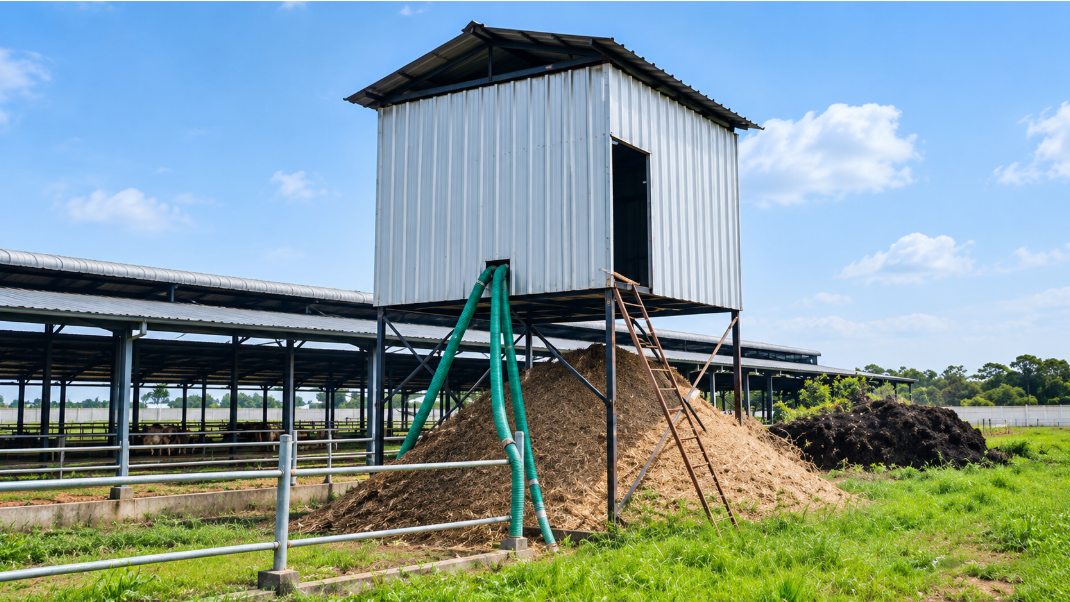
Planned
We collect and store cow manure carefully, and we also supply it to local farmers. Our next plan is to set up our own biogas plant. The aim is to turn manure into biogas and use that energy wherever it is needed across the farm.
In practice
Our cattle are fed through a Total Mixed Ration (TMR) system. It includes silage and suitable plant and crop residues. We choose every ingredient with care.
At Moovana, we never feed cattle spoiled, fungus-affected or contaminated food. Any feed showing signs of fungal or bacterial contamination is removed straight away and sent for fertiliser management instead of reaching the cows. Our cattle receive only suitable, good-quality feed. Balanced, clean feed supports healthy digestion and protects the herd from contaminated feed.
- Total Mixed Ration (TMR)
- Silage
- Plant and crop residues
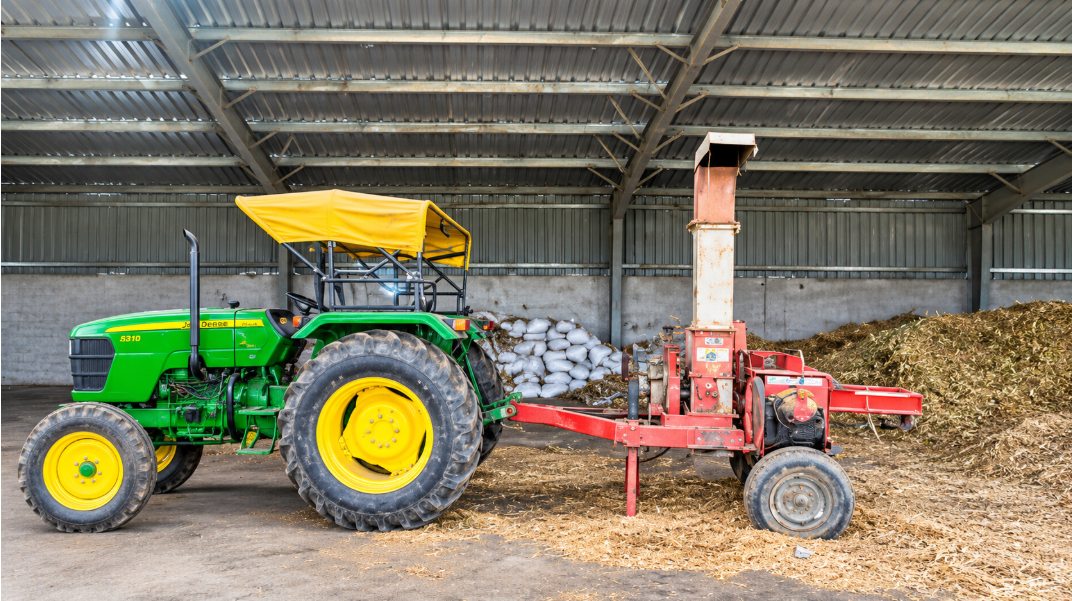
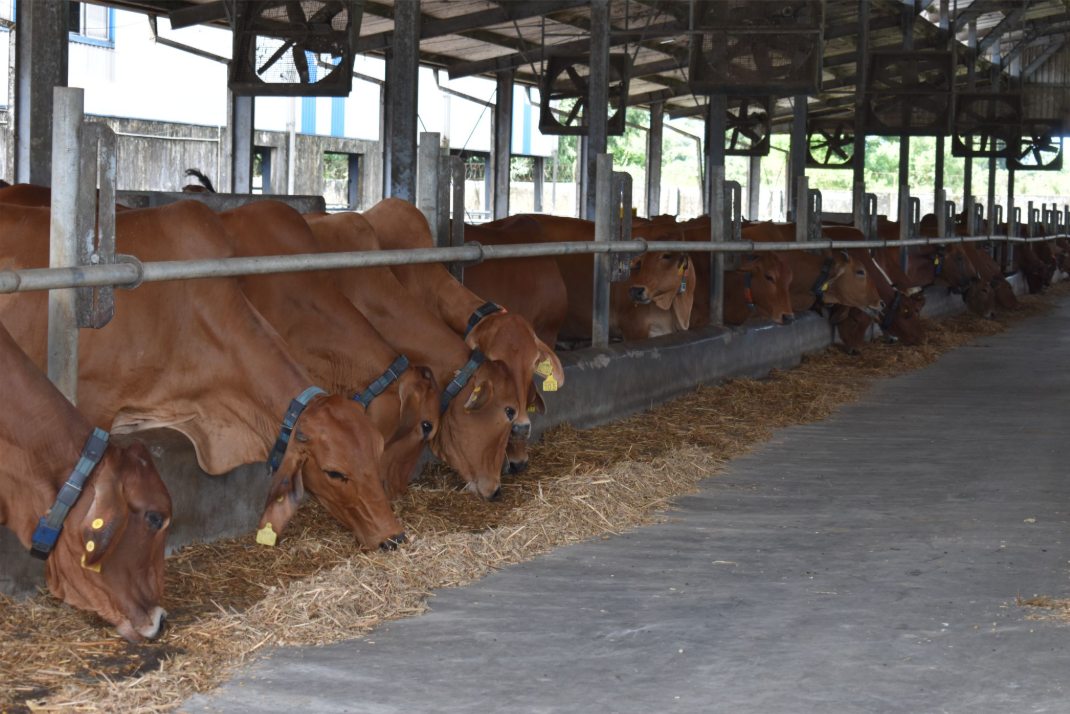
We see a dairy farm as more than milk production. We aim to grow our own crops to meet the cattle's feed needs, and to join dairy farming, crop cultivation, and other farm activities into one connected ecosystem.
How the circle works:
- Cows give milk and manure.
- Manure becomes natural fertiliser for our crops.
- Crops come back as good-quality feed for the cows.
Planned We also plan to grow vegetables and introduce beekeeping on the farm.
In practice
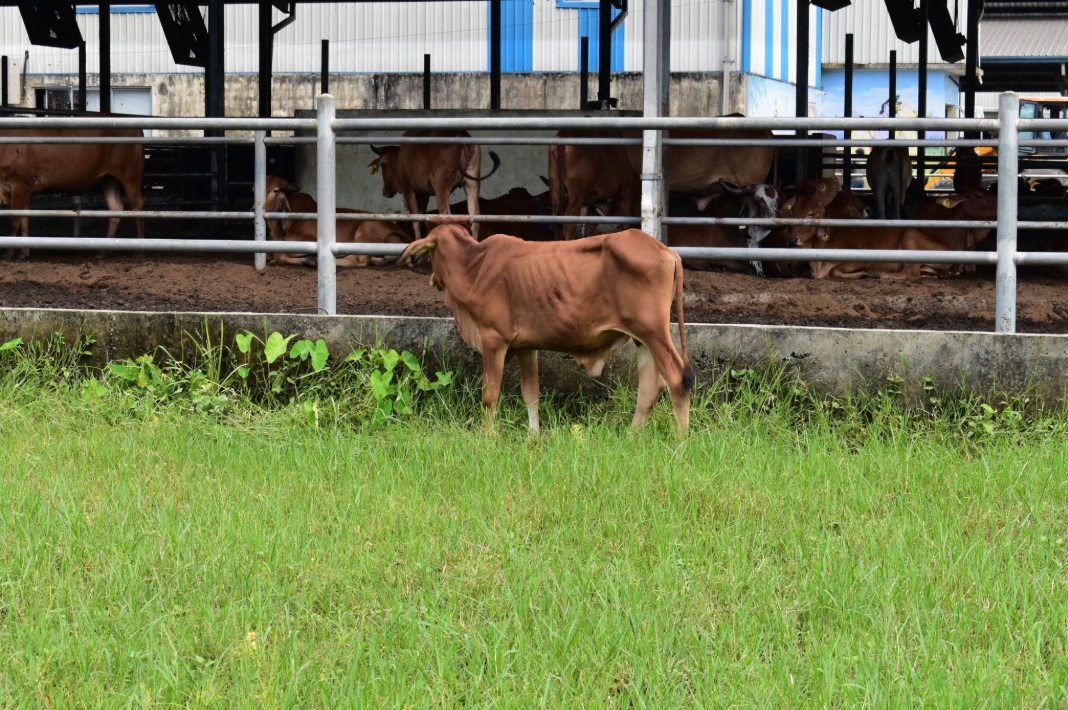
We make sure leftover packaging materials, plastic and other potentially toxic waste are never thrown anywhere inside the farm. All such waste is kept well away from our cattle, to keep them safe. It is collected and taken to designated disposal areas outside the farm.
A farm free of plastic and toxic waste protects cows from accidentally eating harmful material.
4 in practice 1 growing 3 planned
- Manure used as natural fertiliser In practice
- Fartilizer supplied to local farmers In practice
- TMR feed with strict spoilage checks In practice
- Waste kept away from cattle and farm In practice
- Own crops for cattle feed Growing
- Own biogas plant Planned
- Vegetable cultivation Planned
- Beekeeping Planned
-
It means keeping the farm connected in a circle: manure feeds the soil, crops feed the cows, and waste is handled responsibly.
-
About 400 kg is used daily in our own farming. The surplus is supplied to local farmers.
-
Not yet. We are planning one to turn manure into energy for the farm.
-
A Total Mixed Ration (TMR) with silage and suitable plant and crop residues. We never feed spoiled, fungus-affected, or contaminated feed.
-
Packaging, plastic, and toxic waste are kept away from the cattle and the farm premises and taken to designated disposal areas outside.
-
Moovana is the brand of Masani A2 Milk and Manure Products, a registered company based in Siliguri, West Bengal.
Good milk starts with a farm that cares for the land.